
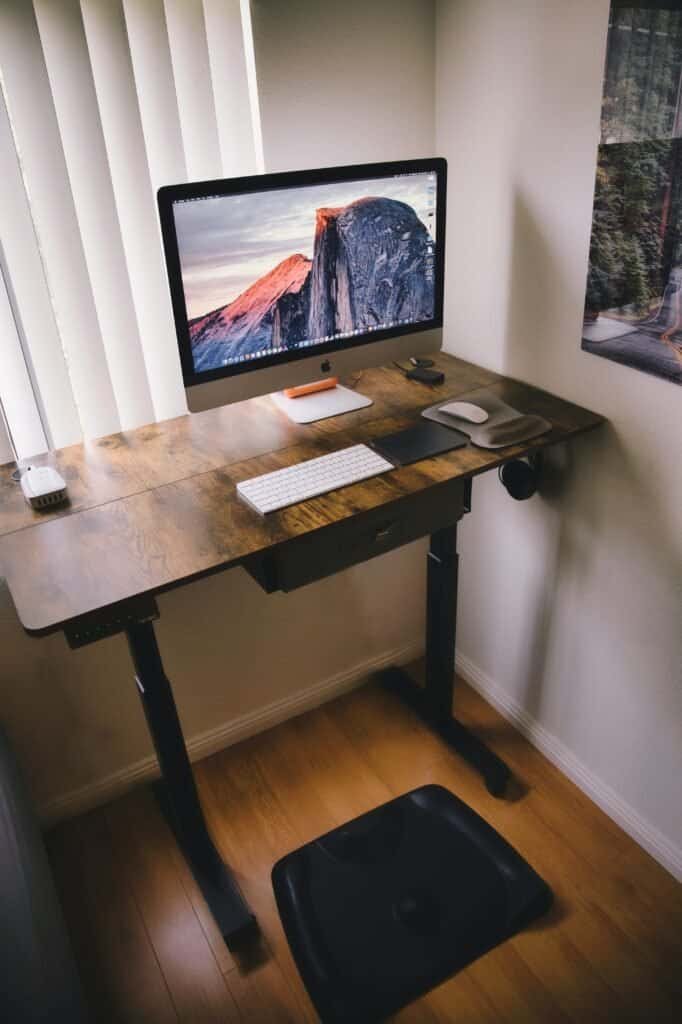
Setting all day can cause a back pain, from tight hips to chronic lower back pain. That’s where standing desks come in. But do standing desks help with back pain, or is it just another office trend? Many people report reduced discomfort when alternating between sitting and standing throughout the day.
Let’s take a look at the research, practical benefits, and which types of standing desks are best for long-term comfort (check out more details here).
Contents
- 1 Why Sitting All Day Hurts Your Back?
- 2 How Standing Desks Relieve Back Pain?
- 3 Standing Desks and Back Pain — What the Research Says
- 4 What Type of Standing Desk Is Best for Back Pain?
- 5 Best Practices for Reducing Back Pain with Standing Desks
- 6 Common Myths About Standing Desks
- 7 FAQ — Standing Desks and Back Pain
- 8 Final Thoughts
Why Sitting All Day Hurts Your Back?
The average office worker sits over 8–10 hours a day — far more than our bodies were designed for. Extended periods of sitting, particularly in non-ergonomic positions can increase pressure on spinal discs and tighten hip muscles, leading to posture issues and back strain.
According to the Mayo Clinic, too much sitting is linked to increased risk of back pain, obesity, and even heart disease.
Source: Mayo Clinic – “What are the risks of sitting too much?”
How Standing Desks Relieve Back Pain?
Encourages Active Posture
Standing desks have become a go-to option for individuals seeking to improve posture — the small actions of shifting weight, stretching, and contracting core muscles for spinal alignment and reducing stiffness.
Also it’s very important for maintaining proper posture while using a standing desk is the positioning of the computer screen.
The top of the monitor should be at slightly below eye level which helps you to keep your neck neutral.
Moreover, standing for long durations requires the use of an anti-fatigue mat, which reduces discomfort and promotes micro-movement, aiding blood circulation.
Reduces Pressure on Lower Spine
When you alternate between sitting and standing, you relieve constant compression on the lumbar discs that causes pain for many office workers.
Improves Blood Circulation
Standing helps blood flow through your legs and back muscles, which can prevent numbness and fatigue caused by long sitting sessions.
Pro Tip: The key benefit is movement, not standing all day, but to alternate every 30–45 minutes using an electric sit-stand desk.
Standing Desks and Back Pain — What the Research Says
Several studies have shown measurable benefits:
-
A 2018 CDC study found users of sit-stand desks reduced back and neck pain by 54% after 4 weeks.
-
A Harvard Health report concluded that alternating between sitting and standing “reduces lower back discomfort and boosts energy.”
Source: CDC Study on Sit-Stand Desks
What Type of Standing Desk Is Best for Back Pain?
Electric Standing Desks
Electric desks (like the FlexiSpot E7 Pro) allow easy, motorized height adjustment — ideal for fine-tuning ergonomic posture throughout your day.
FlexiSpot E7 Pro uses a dual-motor C-frame system, giving it smooth, quiet transitions and rock-solid stability — critical for maintaining posture and avoiding wobble during typing.
See full review here:
FlexiSpot E7 Pro Review — Is It Worth It in 2025?
Manual or Converter Desks
Manual risers are affordable but not ergonomic for long-term use — they often lack proper height precision and stability.
Ergonomic Add-ons That Help
-
Anti-fatigue mat (reduces leg strain)
-
Monitor riser (keeps screen at eye level)
-
Ergonomic chair (for sit intervals)
Best Practices for Reducing Back Pain with Standing Desks
-
Alternate sitting and standing every 30–45 minutes
-
Keep monitor at eye level
-
Elbows bent at 90° when typing
-
Use proper shoes or standing mat
-
Stretch briefly between position changes
Common Myths About Standing Desks
-
Standing all day isn’t healthier — balance is key.
-
Only expensive desks are ergonomic — mid-range electric ones like FlexiSpot E6 Max also works well for moderate setups.
-
Standing desks don’t fix bad posture overnight — they support better habits over time.
FAQ — Standing Desks and Back Pain
Q1: How long should you stand at a standing desk?
Alternate sitting and standing every 30–45 minutes. Start with 2 hours of standing total, and gradually increase.
Q2: Do standing desks fix back pain completely?
They help alleviate discomfort and prevent worsening, but posture, stretching, and movement are still important.
Q3: Are standing desks worth it?
Yes — especially electric models with memory presets and dual motors, as they make switching effortless.
Final Thoughts
Standing desks aren’t a magic cure — but when used properly, they can help reduce lower back pain and improve posture.
For best results, combine your comfortable posture with short breaks, stretching exercises, and a supportive chair.
If you’re ready to make the switch, check out our full comparison:
Best Electric Standing Desks 2025